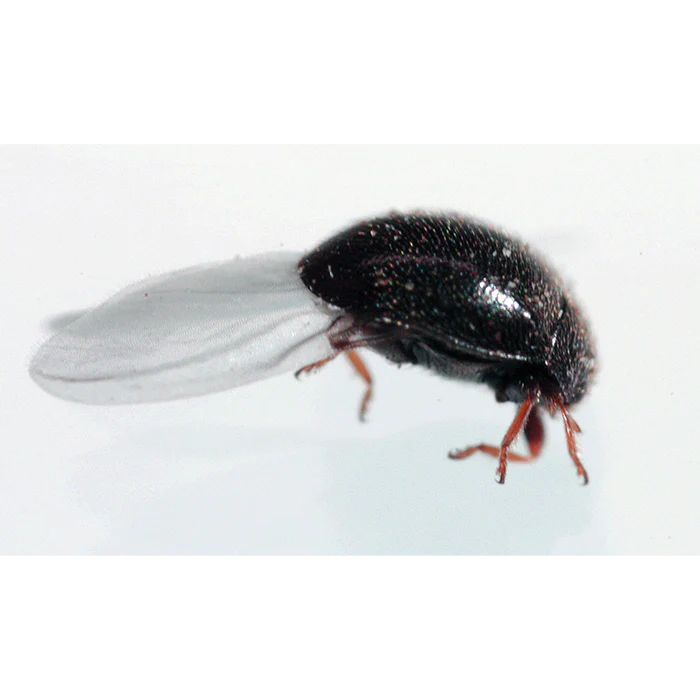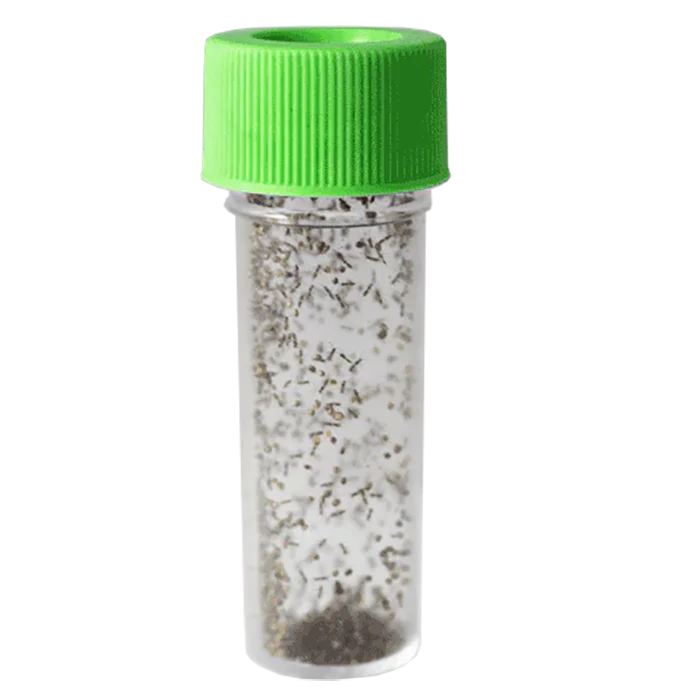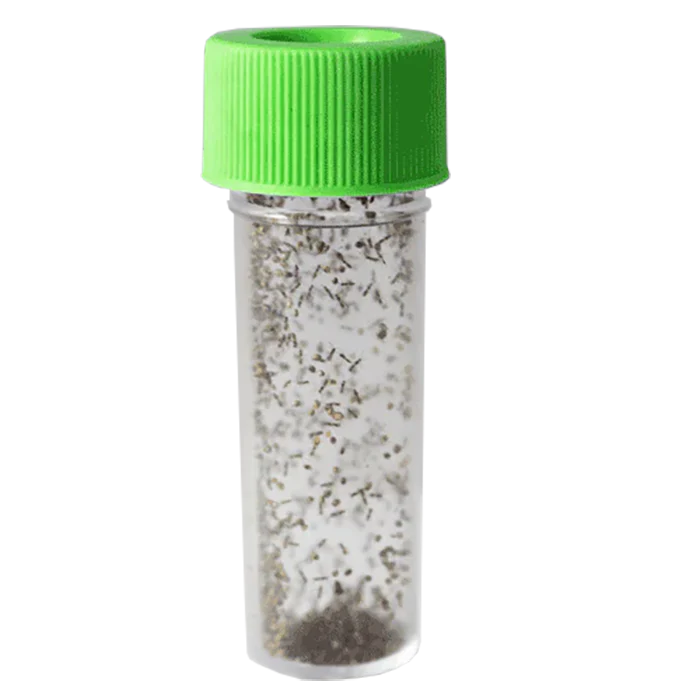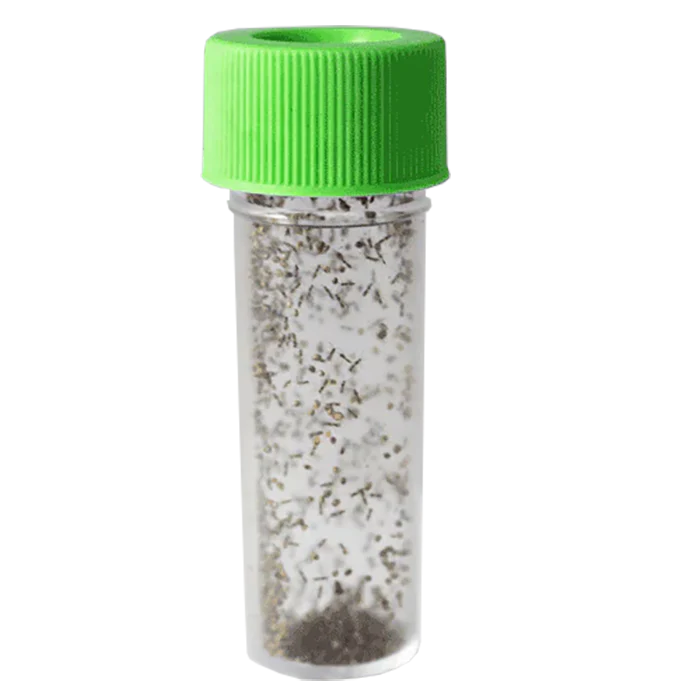
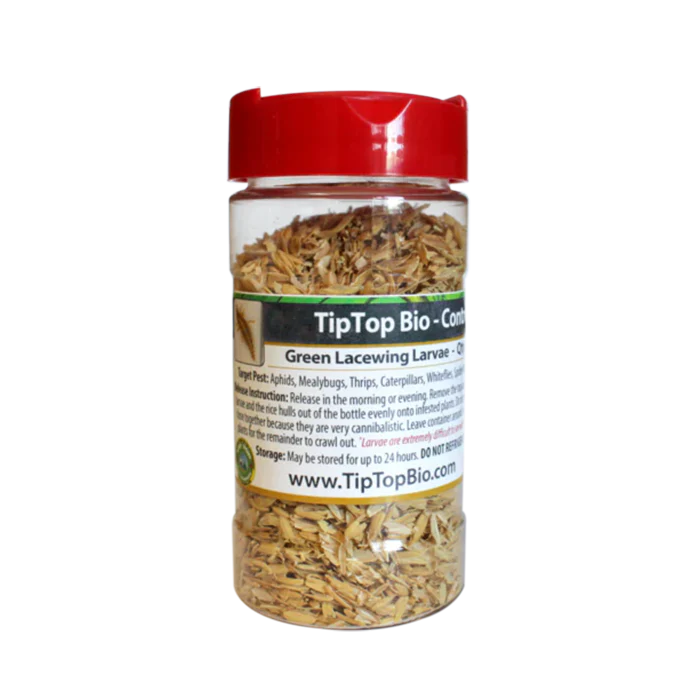
Tip Top Bio-Control Green Lacewing Larvae, Bottle of 1,000
Green Lacewing Larvae Are The Ultimate Beneficial Predator
Live insects from Tip Top Bio Are Expedited To Ensure Your Insects Arrive Quickly & Safely.
Green Lacewings are general predators that feed on a variety of insects. They are very effective on aphids. During the larval stages it is a predator. Adults are large green insects with large almost transparent lace-like green wings. Larvae are small alligator looking critters with noticeable legs. They move from plant to plant on leaves. Larvae pupate on upper leaf surfaces, plant stems and twigs.
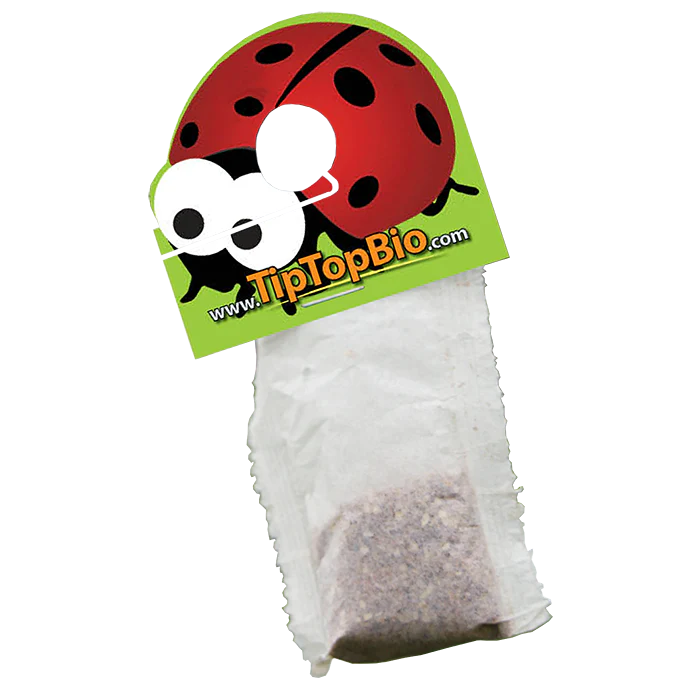
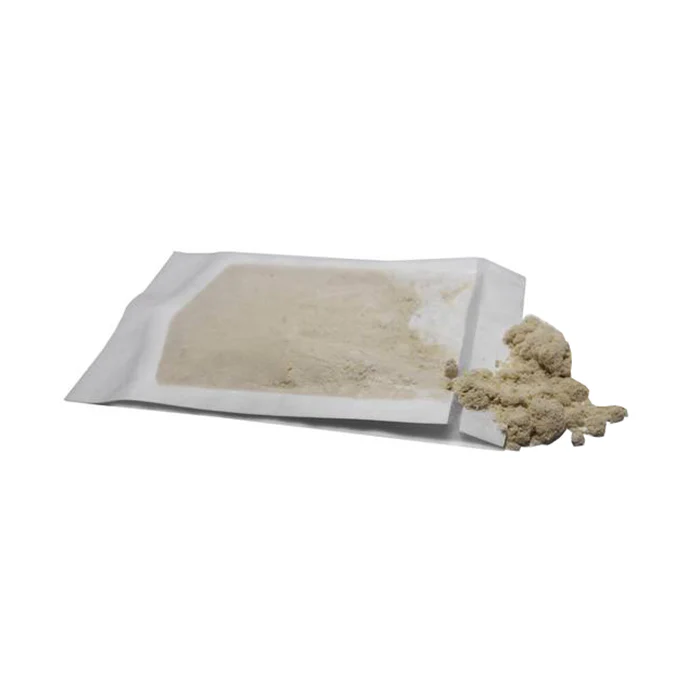
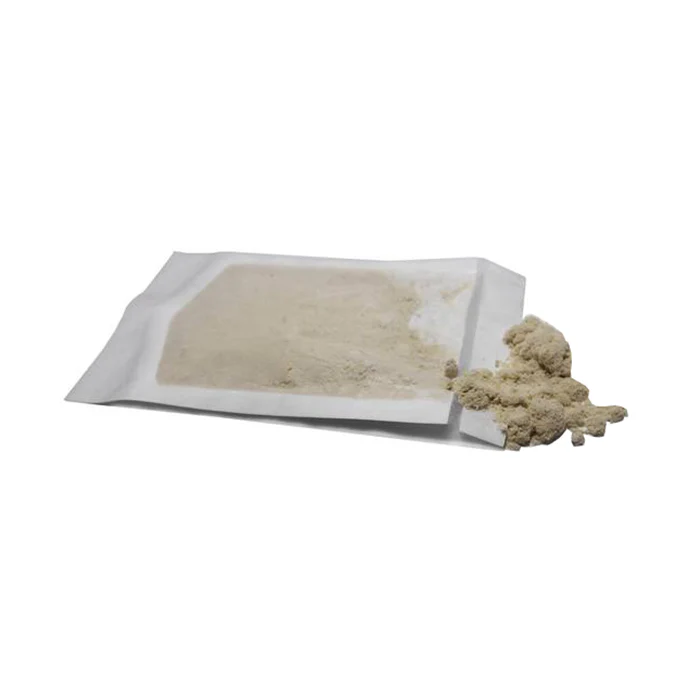
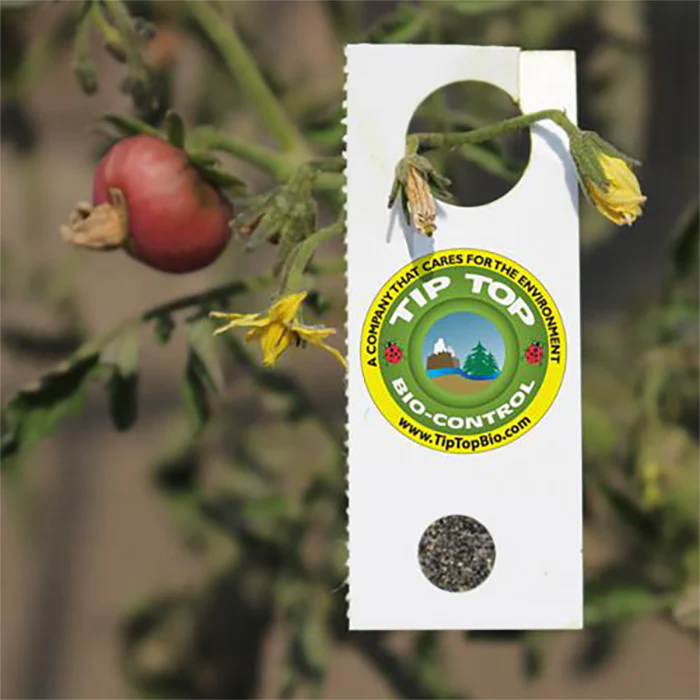
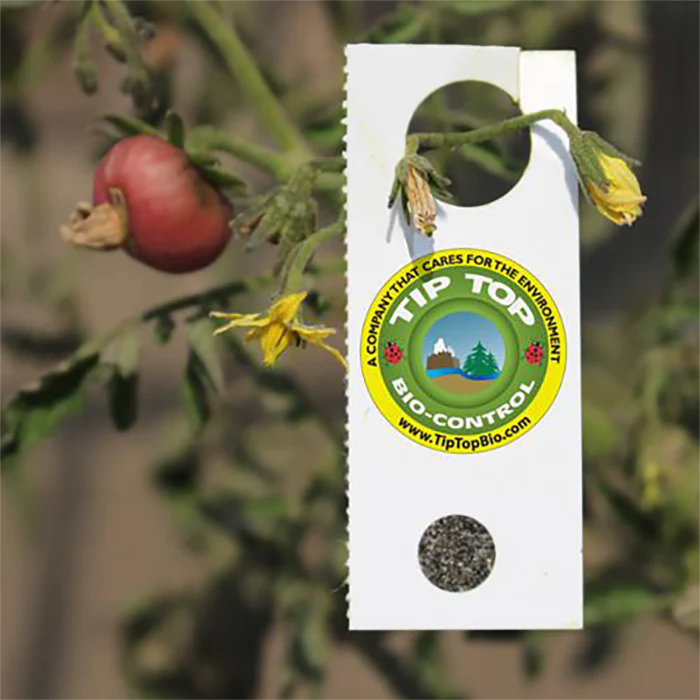
Each package of Lacewings has disbursement pouches included Each pouch should be placed in the crotch of the plant limbs or stapled/paper clipped to leaves. Once pouches are placed, pour a small amount of material in each pouch. Spread the release sites out as much as possible.
To improve performance, ants must be controlled. Several generations may occur during one season.
Target Pest:
- Aphids
- Mealybugs
- Scale
- Spider Mites (especially Red Mites)
- Caterpillars
- Psyllid
- Thrips
- Whiteflies
- Moth Eggs
- Leafhopper Nymphs
Feeds on nectar and pollen as adults.
Lifespan:
Egg to adult about 30 days depending on weather. Adults live for 20-40 days and will lay 10-30 eggs/day and up to 600 eggs on hair-like filaments. Lacewing eggs hatch in about 3-5 days after reaching temperature of about 60 degrees. Larvae are predators for 2 weeks or longer if nights are cool. During 2-3 larval stages one solitary Lacewing can kill 300-400 aphids,11,000 spider mites, 3,700 scale crawlers or 6,000 scale eggs. Cocoons yield adult Lacewings in about 5 days. The adult Lacewing will migrate toward pollen, insect honeydew or nectar before laying eggs.
Temperature and food availability will determine the timing of each stage and re productivity. The ideal temperature range for a lacewing larvae is between 67–89°F.
Strategic Considerations:
Pesticides and even-wetting agents and spreader-stickers may adversely affect Lacewing survival. Broad spectrum and systemic insecticides are toxic to Lacewings.
Product Information
Product Information
Shipping & Returns
Shipping & Returns
Description
Green Lacewing Larvae Are The Ultimate Beneficial Predator
Live insects from Tip Top Bio Are Expedited To Ensure Your Insects Arrive Quickly & Safely.
Green Lacewings are general predators that feed on a variety of insects. They are very effective on aphids. During the larval stages it is a predator. Adults are large green insects with large almost transparent lace-like green wings. Larvae are small alligator looking critters with noticeable legs. They move from plant to plant on leaves. Larvae pupate on upper leaf surfaces, plant stems and twigs.
Each package of Lacewings has disbursement pouches included Each pouch should be placed in the crotch of the plant limbs or stapled/paper clipped to leaves. Once pouches are placed, pour a small amount of material in each pouch. Spread the release sites out as much as possible.
To improve performance, ants must be controlled. Several generations may occur during one season.
Target Pest:
- Aphids
- Mealybugs
- Scale
- Spider Mites (especially Red Mites)
- Caterpillars
- Psyllid
- Thrips
- Whiteflies
- Moth Eggs
- Leafhopper Nymphs
Feeds on nectar and pollen as adults.
Lifespan:
Egg to adult about 30 days depending on weather. Adults live for 20-40 days and will lay 10-30 eggs/day and up to 600 eggs on hair-like filaments. Lacewing eggs hatch in about 3-5 days after reaching temperature of about 60 degrees. Larvae are predators for 2 weeks or longer if nights are cool. During 2-3 larval stages one solitary Lacewing can kill 300-400 aphids,11,000 spider mites, 3,700 scale crawlers or 6,000 scale eggs. Cocoons yield adult Lacewings in about 5 days. The adult Lacewing will migrate toward pollen, insect honeydew or nectar before laying eggs.
Temperature and food availability will determine the timing of each stage and re productivity. The ideal temperature range for a lacewing larvae is between 67–89°F.
Strategic Considerations:
Pesticides and even-wetting agents and spreader-stickers may adversely affect Lacewing survival. Broad spectrum and systemic insecticides are toxic to Lacewings.